Why Is My AC Making a Rattling Noise?
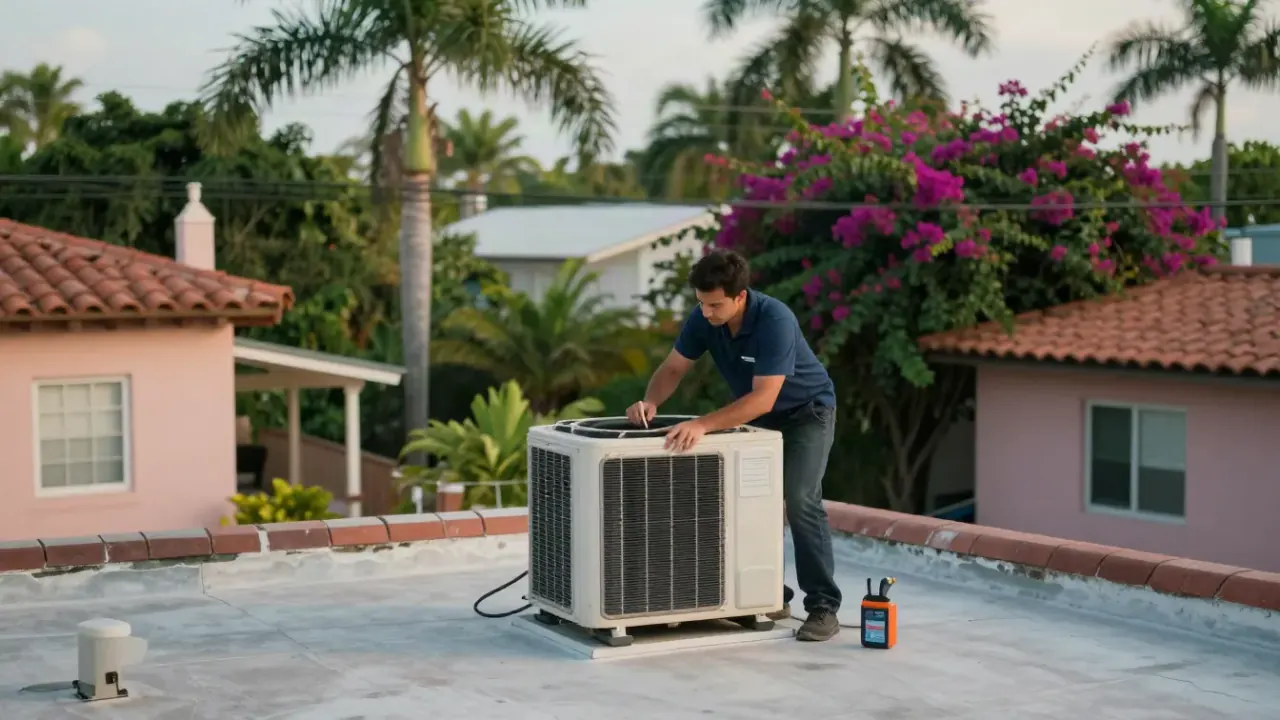
Rattling, buzzing or banging from an air conditioner has several possible causes, and they range from harmless to urgent.
Rattling is one of the most common AC complaints. Sometimes it's a loose panel that takes a minute to fix. Other times it's a failing fan motor or compressor that gets worse the longer the system runs. Here's how to tell the difference, and when not to keep running the unit.
Common causes of a rattling AC
Loose panels or screws
Vibration from the blower or compressor can loosen cabinet screws over time, especially on outdoor units. This is the best-case scenario.
Debris in the outdoor unit
Sticks, palm fronds, leaves or small objects can get into the condenser during storms and rattle against the fan. After a tropical storm or heavy wind, check around the unit.
Fan blade or motor problems
A bent or loose fan blade, or a motor with worn bearings, can cause rattling, squealing or grinding. These need a technician. A failing motor can overheat and fail completely.
Compressor trouble
A loud rattle or knocking from the compressor, especially with weak cooling, can mean internal wear. Shut the system down and call. Running it can turn a repair into a replacement.
Loose ductwork or a worn blower wheel
If the noise comes from inside the home near the vents or air handler, it may be a loose duct section, an unbalanced blower wheel or a loose component in the air handler.
Unsecured unit or worn pad
An outdoor unit that has shifted or sits on a settled pad can vibrate against its lines or the pad itself.
What you can safely check
- Turn the system off at the thermostat first.
- Look around the outdoor unit for debris, loose objects or anything touching the cabinet.
- Check that the air filter isn't collapsed or loose in its slot.
- Note when the noise happens: at startup, constantly, or only when the fan ramps up. That information helps a technician.
Don't open electrical panels, touch capacitors or reach into the fan while the system is powered. Turn power off at the breaker if you need to look closer.
When to stop and call
- The noise is grinding, screeching or a loud knock.
- It comes with weak cooling, tripped breakers or a burning smell.
- You can't find an obvious simple cause.
Turn the unit off and arrange AC repair. If it's after hours and the home is getting hot, our emergency line is open around the clock.
Why Miami systems are more prone to this
Systems here run almost year-round, so bearings, motors and fasteners see more hours than in cooler climates. Salt air near the coast adds corrosion. Storm debris adds another risk. Regular maintenance catches loose parts and worn motors before they turn into noise complaints.